
What is information and what is a Paradox?
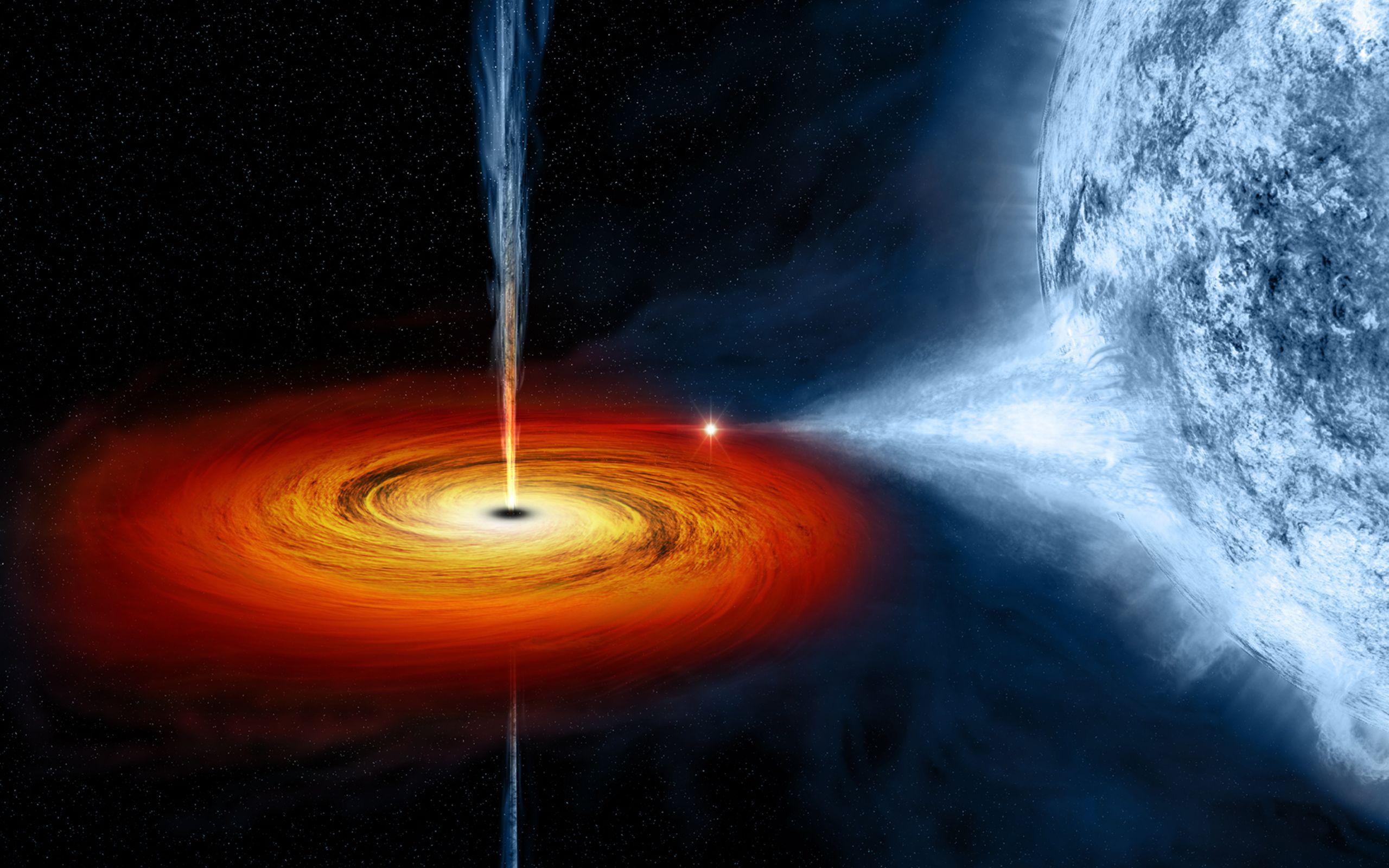
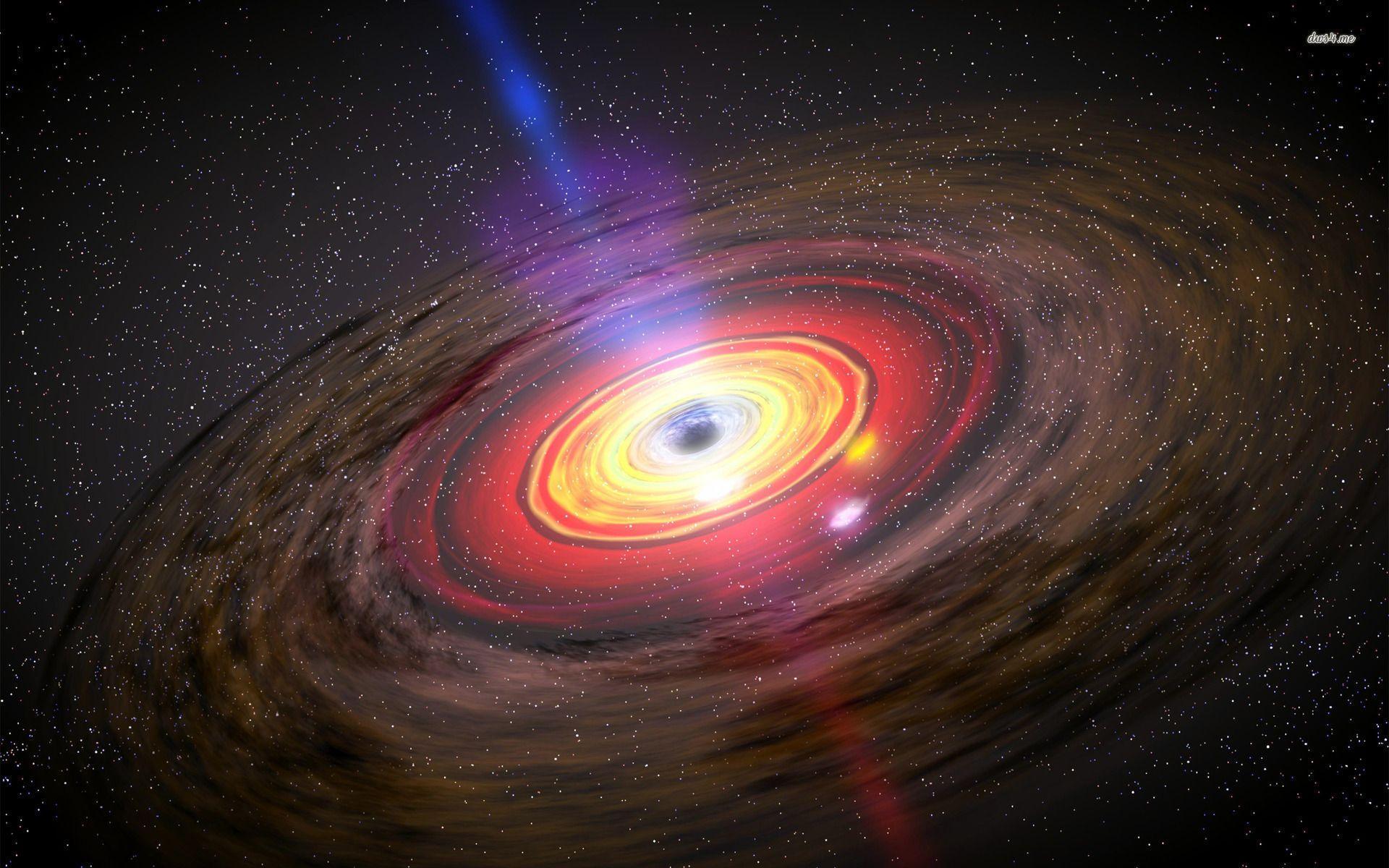
 We now know that a black hole's grasp is very strong, and once it catches something, it never lets go of it, nor does it leave anything behind, not even information. So, we will dig deep into it in this article. So, what is this information, or here we will consider physical information? Physical information is a type of information which refers to information about a portion of a physical universe, or in general, we can say that information is that thing which describes an uncertain something. Now we know what we understand by information, so now let us know what a paradox is. Simply saying "paradox" is a contradictory statement.
Continuing our real question
Coming back to our real question, what is an information paradox? The paradox says that as nothing can deal with the grasp of a blackhole, then some piece of information once taken in by a blackhole can never be retrieved back, but scientists relating to quantum mechanics say that information can neither be created nor be destroyed, which contradicts the above statement, which gives rise to the term we know as paradox. So, let us take an example to understand the information paradox. Imagine you wrote a whole big book with a lot of information about a project you are working on. Ultimately, this information which you wrote in the book will be inherent in the molecular makeup of the pages and the ink upon them. There is no information without physical manifestation in this world. Now just imagine that your book catches fire and burns down the whole book. Now what for you and me? All the information about your project is lost. But that's from your perspective; from the perspective of physics, particularly quantum physics, things aren't going to be so bad.
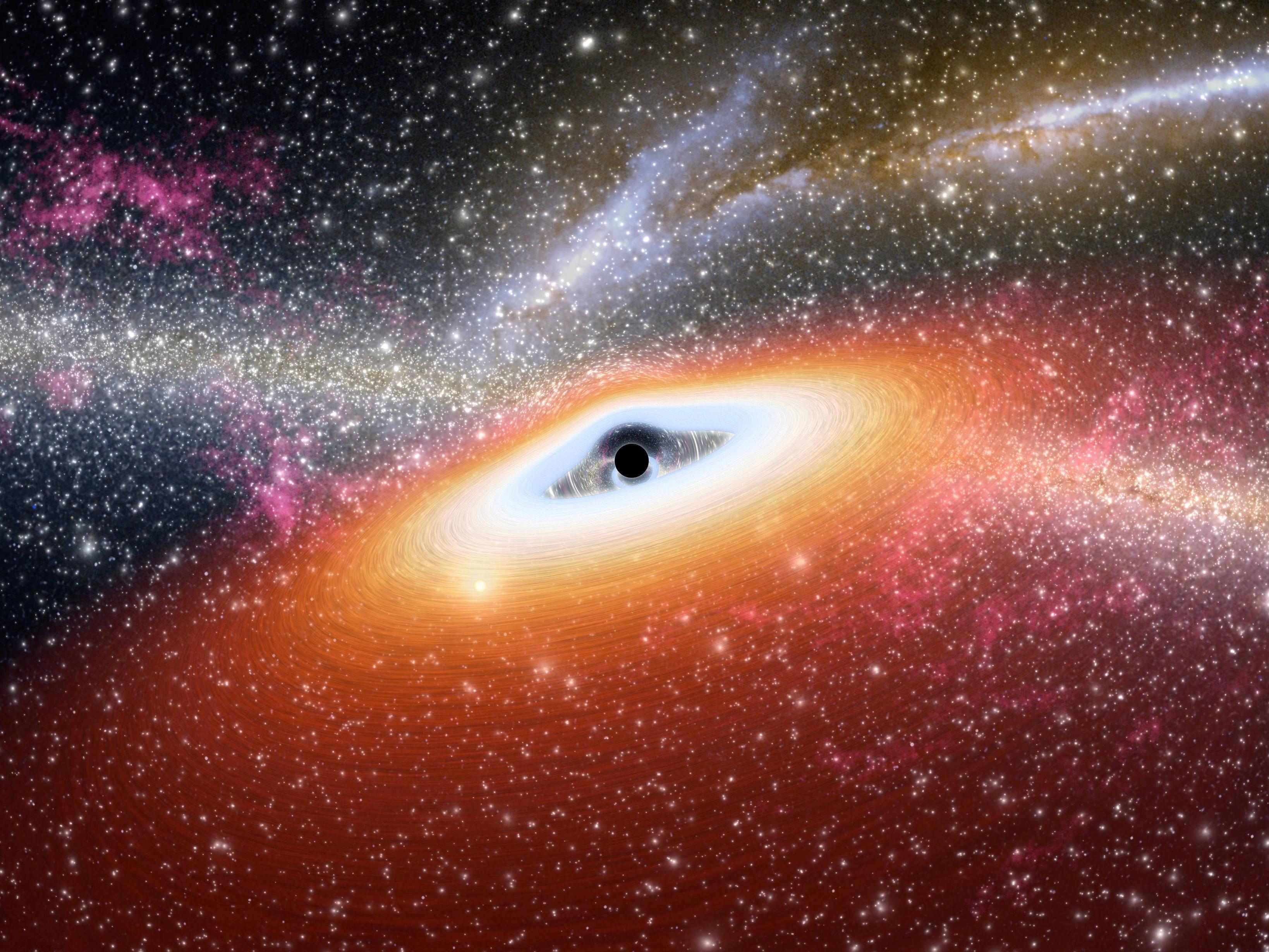
 As a physical object or a system, the book is described by a mathematical object called a wave function. As it burns, changing its shape and consistency, the wave function changes accordingly. At the end, the wave function describes the ashes that remain. No information is lost in the process; it is simply transformed from the hard book into ashes. In theory, you can run the evolution of the wave function backwards and recover all the original information from the wave function about the ashes. But this is all on paper only. This can’t be shown in real life. This theory will only sound good in its own limited way. But now imagine your book has been squeezed to a very very small size, keeping the density and mass constant. At some point, your book will collapse into a black hole and the gravitational force will be extremely strong. As the size decreases, the gravitational pull increases. Now we are dealing with the black hole that contains all the information about your ongoing project. Now it's just a simple black hole and it has no relation to your information in real life. You just have to assume that it has your information within it.
Stephen Hawking’s Bet….
 This was the theory proposed by Stephen Hawking, and he was so sure about his theory that he and Kip Thorne had a bet about this paradox with John Preskill. Although the bet was just a fun bet, the reward was their pride, and they decided that the loser would reward the winner with an encyclopedia of the winner’s choice. After 7 years of bets, Hawking conceded his bet and said that he now believes that black holes also transmit information after reading the reports of physicist Juan Maldacena, and as promised, he rewarded John Preskill with an encyclopedia of his interest, and that was Total Baseball, The Ultimate Baseball Encyclopedia. But still, John Preskill never concealed the bet and refused it in front of the jury, so this bet is still an unsolved mystery and another paradox remains a paradox.


